Trusted Roof Replacement, Roof Inspection &
Roof Rejuvenation Services in Utah
Advanced roof preservation designed to restore aging asphalt shingles, address vulnerable leak points, and help extend the life of qualifying roofs.
Roof Rejuvenation in Action
See Summit Shield Applied to a Real Roof.
See the Powder Roofing process up close and watch how the treatment is applied to qualifying asphalt shingles.
Google Reviews
What Utah Homeowners Say.
5-star reviews from Powder Roofing customers across the Salt Lake Valley.
“Great price. Pawel did an amazing job in educating me on my options and bid the exact system that my particular roof needed. He saved me 7X what a replacement would have costed and I can tell it will give me many years of extra life!”
Artistic Painting
A day ago
“Pawal was super professional and made the process of choosing a contractor on my roof rejuvenating super easy. I asked a lot of questions and there was not a moment of hesitation with his answers. Would highly recommend saving the money on a new roof and going with roof rejuvenation”
Alan Aguirre
2 months ago
“Showed up on time and did the work as estimated. Cost came out exactly and even did some extra work by removing some old antennas and satellite dishes. I would highly recommend”
Gavin Manes
A year ago
Root Cause Analysis
The Two Main Reasons Roofs Fail.
Almost every aging Utah roof we inspect shows signs of one — or both — of these failure patterns. Powder Roofing addresses both.
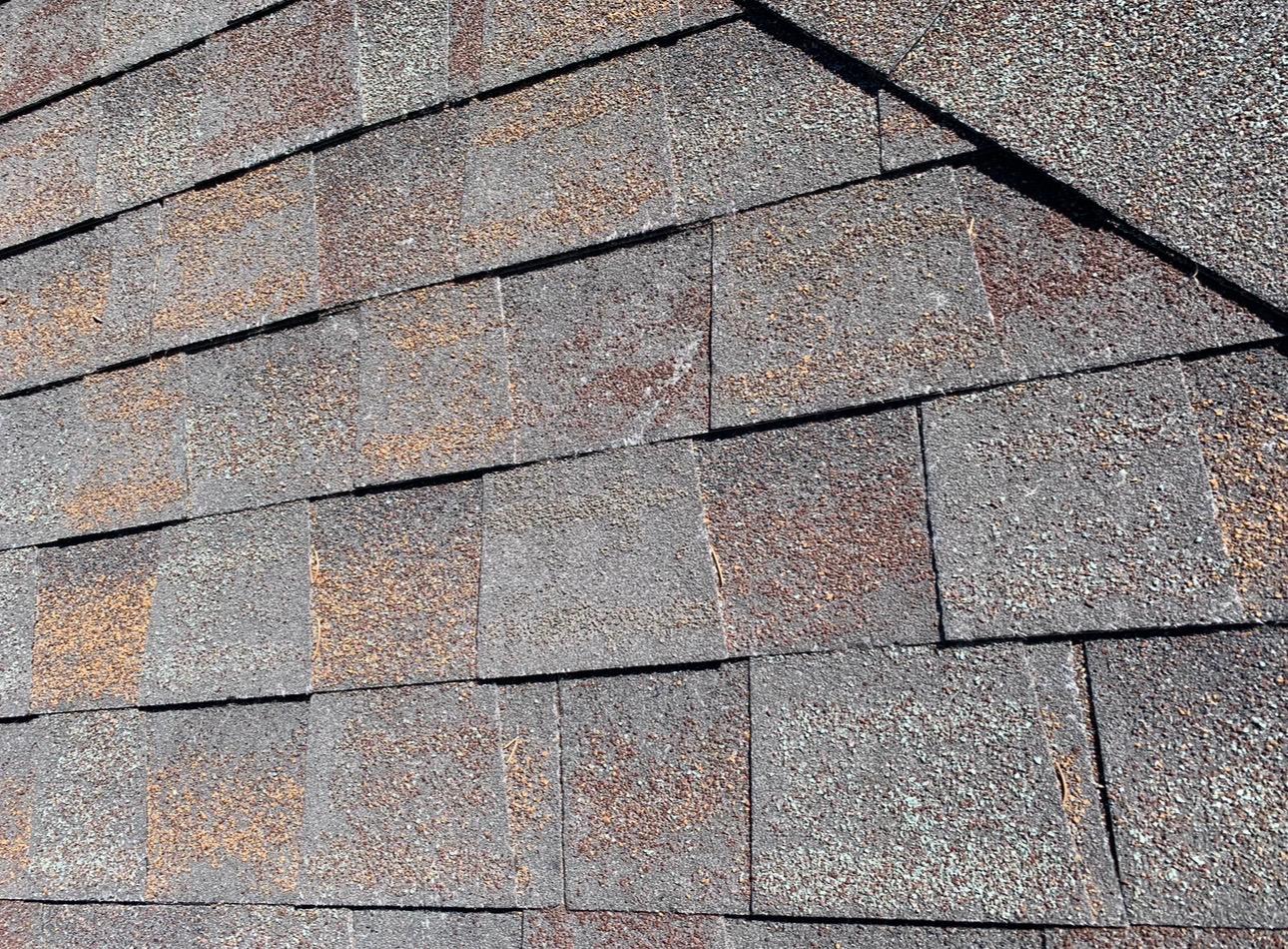
Granule Loss & Asphalt Breakdown
Utah's UV exposure, dry climate, thermal cycling, and freeze-thaw conditions dry out shingles over time. Once the oils are gone, the granules let go — and the asphalt below begins to fail rapidly.
- High-altitude UV strips protective oils faster than low-elevation markets
- Dry mountain air desiccates asphalt year-round
- Thermal cycling cracks and curls shingle edges
- Granules detach — exposing raw asphalt to direct UV
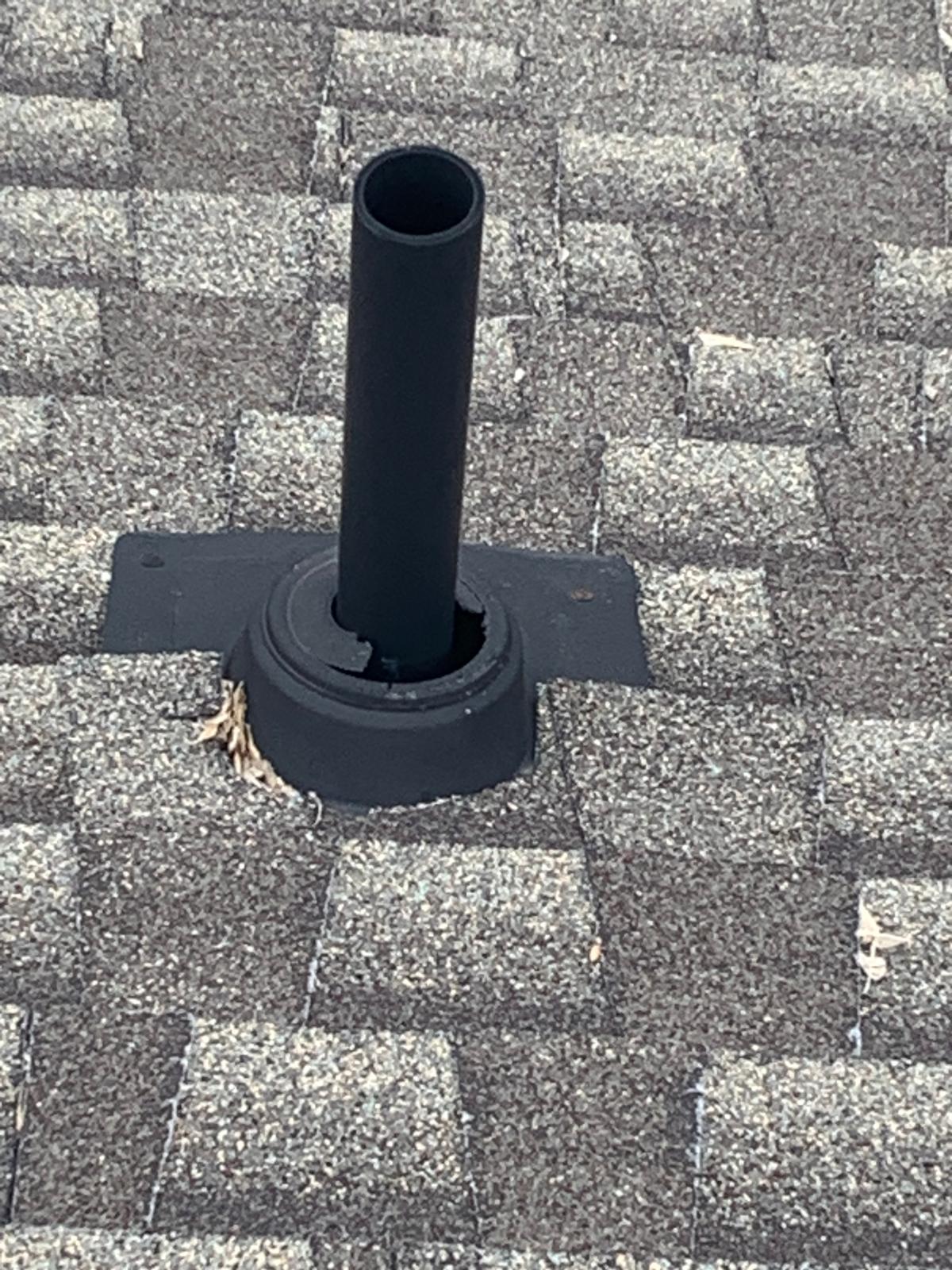
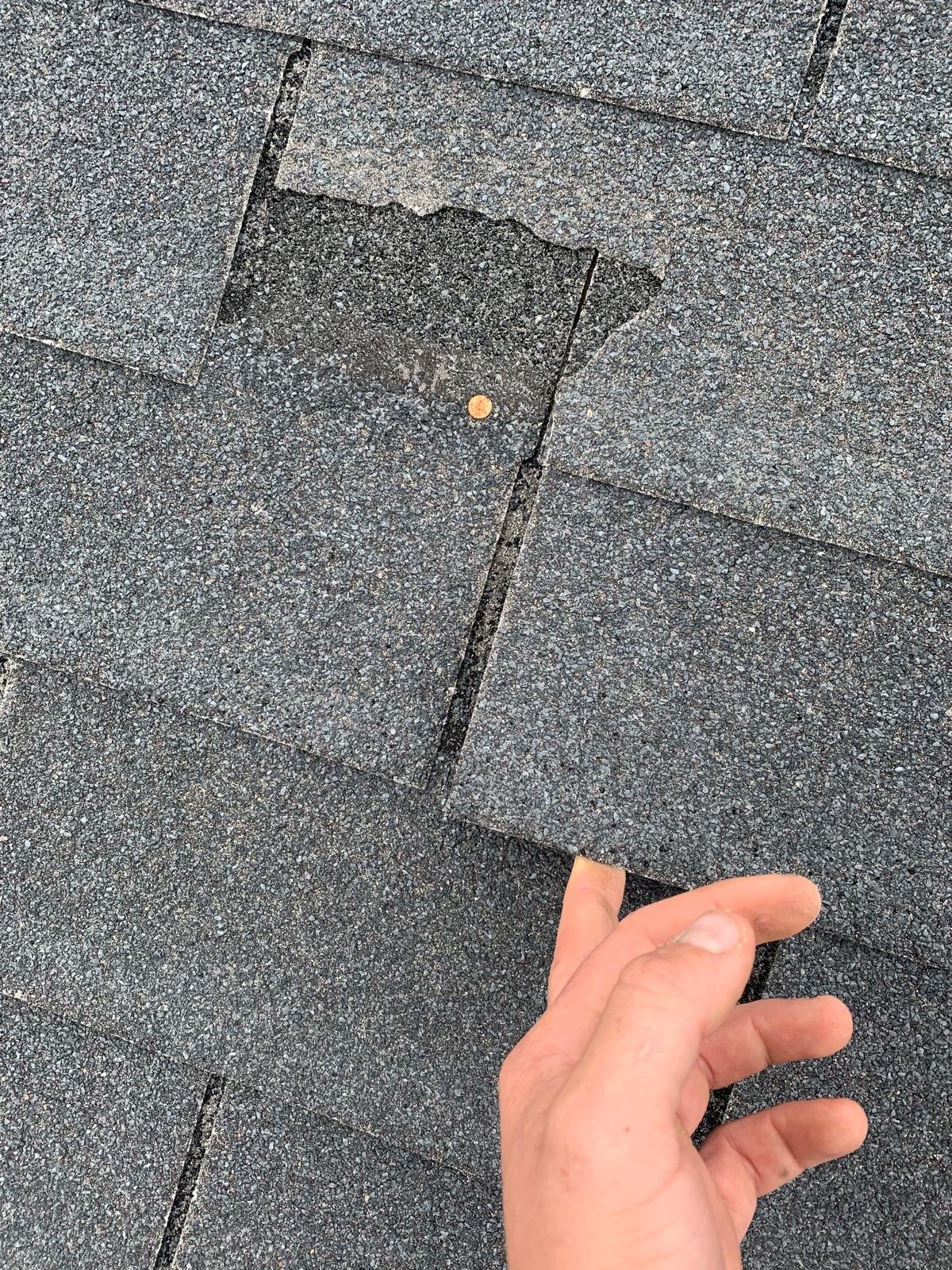
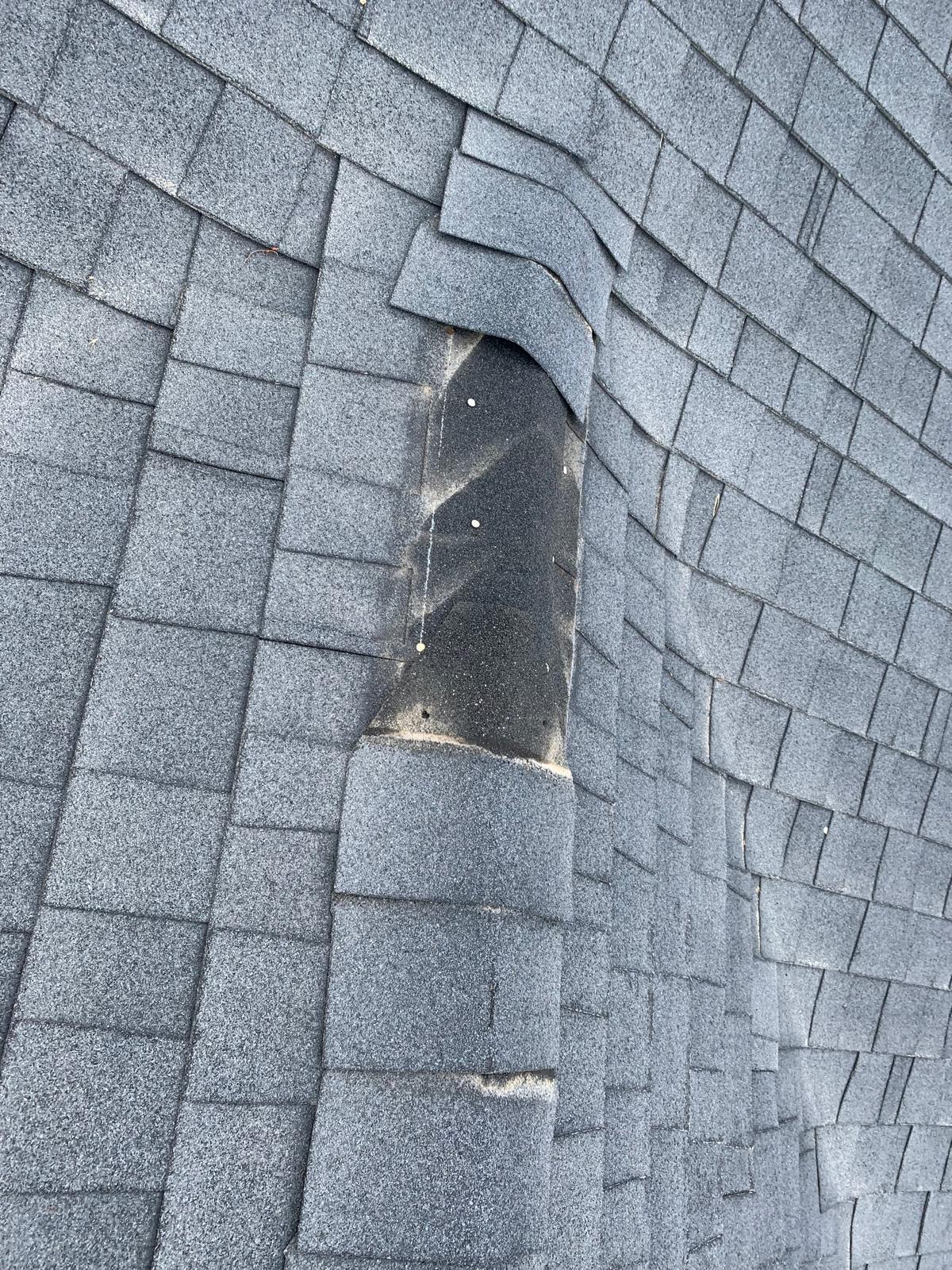
Penetrations & Maintenance Issues
Many leaks begin around neglected maintenance areas long before shingles completely fail. A roof can look fine from the street while quietly leaking around a $15 pipe boot.
- Cracked pipe boots and dry-rotted rubber gaskets
- Lifted or rusted flashing around chimneys and walls
- Exposed nail heads losing their sealant
- Swamp cooler penetrations and worn valleys
Powder Roofing addresses both causes of roof deterioration — restoring the shingle surface and repairing the vulnerable penetrations where most leaks actually start.
The Treatment
A complete roof preservation service — not a single magic spray.
Powder Roofing combines advanced penetrating treatments with hands-on maintenance repairs. The approach we use depends on roof condition, exposure, and what your inspection actually finds.
Inspection-Based Application
Every roof is assessed before treatment. Different slopes, conditions, and exposures get different approaches.
Maintenance Repairs Included
Pipe boots, exposed nails, flashing, and other vulnerable points are addressed during service.
Orientation Matters
South-facing vs. north-facing slopes get different treatment strategies — calibrated to the age of each side.
South slopes age faster than north slopes on the same roof. We assess each orientation independently and dial the treatment volume to how worn that side actually is — newer shingles get a lighter restorative pass, older shingles get a heavier saturation.
South-Facing
Intense UV and thermal cycling dry shingles faster, so this side is almost always the more aged of the two. Receives a heavier penetrating treatment to restore lost oils and rebuild flexibility.
North-Facing
Typically ages slower but holds moisture longer, driving moss, algae, and freeze-thaw wear. Treatment is matched to its real condition — focused on waterproofing and biological resistance.
Testing & Science
Independent Lab Testing — Explained Simply.
Every test below compares treated vs. untreated asphalt shingles. Under each result is a plain-English explanation of what it actually means for your roof.
Part 1 — High Sun Exposure
Modified Acrylic Resin Testing
Applied to high-sun-exposure slopes (typically South- and West-facing) where UV and heat drive the fastest oil depletion. The modified acrylic resin rebuilds the surface defense that direct sun strips away.
Granule Loss Testing
Measures how well shingles retain their protective surface under wear and stress. Granules block UV from the asphalt beneath — retention matters.
QUV Accelerated Weathering
Simulates years of UV and weather exposure in a lab. Lower color change means the treatment slows oxidation and surface aging.
Salt Spray Resistance
Tests resistance to corrosive moisture exposure. Strong gloss retention shows the protective layer is staying intact.
Freeze-Thaw Stability
Tested at 32°F — the same cycle Utah roofs see all winter. Stable performance confirms the modified acrylic resin holds up to Utah conditions.
Permeability
Helps show whether shingles can still breathe properly while maintaining waterproof integrity. Sealing a roof completely traps moisture; this doesn't.
Water Resistance
Treated shingles bead water on contact. Less absorption means less freeze-thaw damage and longer shingle life.
Part 2 — Low Sun Exposure
Fresh Roof Oil Testing
Applied to low-sun-exposure slopes (typically North- and East-facing) where moisture retention, snow load, and cold-cycle brittleness are the dominant aging factors. The oil restores flexibility and binds aging granules back into place.
Granular Adhesion (Aged Shingles)
PRI-tested granule retention on 30-year-old shingles. 25% better adhesion on new shingles, 40% on 15-year-old shingles, and 50% on shingles nearing end of life — directly slowing the granule loss that drives premature aging.
Tear Strength
Resistance to tearing under wind, hail, and installation stress. 16% stronger than an untreated shingle of the same age, reducing the risk of rips that lead to water infiltration.
Pliability
How well a shingle bends without cracking in the cold. Treated shingles posted a 100% improvement in pliability — critical for Utah winters where brittle shingles split and leak.
Stiffness & Flexibility
GreenSoy technology improves flexibility of aged shingles by 50% and stiffness by 85%. Most products boost one and sacrifice the other — this restores both, so shingles bend in the cold and hold shape under wind.
Color Retention
Treated shingles regain 20% more of their original color and hold it 50% longer than untreated shingles — a visible indicator of stronger UV protection and slower surface degradation.
Hail Impact Resistance
10-year-old shingles tested with impact strikes. Untreated shingles failed with visible damage and granule loss; treated shingles showed zero granule loss at impact points and passed.
Flame Resistance
Spread-of-flame testing. Treated shingles limited fire travel to 14 inches vs. 44 inches untreated — a 68% improvement that adds a real safety margin to your roof.
EPA Volatiles (VOCs)
Volatile organic compound emissions. Just 0.02% VOC — far below bio soybean-oil products, which off-gas more. Safer for indoor air quality and the environment during and after application.
PCB Leachates
Tests whether harmful PCBs wash off in rain. Results were Below Detection Limits — no measurable PCBs in runoff, meaning cleaner rainwater and a lower environmental footprint.
Sources: Powder Roofing Technical Service Report — Modified Acrylic Resin, and Fresh Roof Performance Testing Guide (PRI — accredited, independent, third-party testing). Results represent laboratory testing of treated vs. untreated asphalt shingles.
Common Questions
Everything homeowners ask us.
A professional roof preservation service that combines a penetrating treatment for aging asphalt shingles with maintenance repairs to vulnerable leak points like pipe boots, flashing, and exposed nail heads.
About a day. Most residential jobs are completed in a single visit — no tear-off, no dumpster, no heavy equipment on your property.
No — and that's intentional. We do a free inspection to assess shingle condition, age, granule retention, and underlying structure. If your roof doesn't qualify, we'll tell you honestly and recommend the right path forward.
Rejuvenation typically lasts 5–7 years, and qualifying roofs are backed by a transferable warranty of similar length. Actual service life depends on shingle condition and ongoing exposure.
Pricing is about 20% of the cost of a new roof — roughly $2,000–$3,000 on average, depending on roof size and the maintenance repairs needed. We provide a specific quote after a free inspection.
No. Rejuvenation preserves and extends the life of a roof that still has structural integrity. If your roof has failed, you need a replacement — not a treatment.
Salt Lake City replacements typically run $12,000–$18,000+. Rejuvenation is a fraction of that. Contact us for a specific estimate for your home.
Active leaks are addressed through maintenance repairs during service — pipe boots, flashing, sealant points. Rejuvenation itself restores shingle surface integrity to help prevent future failure.
High-altitude UV intensity, low humidity, dramatic freeze-thaw cycles, and heavy snow loads all stack against shingle life. Roofs here often show significant wear years earlier than identical roofs in milder climates.
Yes. Permeability testing measured 24 U.S. Perms at 1.5 mils DFT. The treatment doesn't trap moisture inside the roof system.
Because no two roofs age the same way. Shingle type, sun exposure, granule loss, slope orientation, and overall wear all change what a roof actually needs. Our modified acrylic resin and fresh roof oil behave differently — the modified acrylic resin excels at locking down granules and shielding high-sun slopes (typically South- and West-facing) from UV breakdown, while the oil restores flexibility and re-binds aging granules on low-sun slopes (typically North- and East-facing) where moisture and cold-cycle brittleness dominate. After inspection we decide which compound — or combination — gives your specific roof the most economical bang for your buck.
The earlier the better. The single most important factor in shingle aging is granule retention — once granules are gone, the asphalt underneath is exposed to UV and breaks down fast. The sooner we treat your roof, the more granules we save and the more life we lock in. Treat it early enough and rejuvenation can even be reapplied down the road to extend service life further. Waiting until visible failure means fewer options and a shorter return on the treatment.
We'll tell you honestly and provide a bid for a new roof. We don't sell jobs that don't make sense — that's the foundation of our reputation.
Take The Next Step
Find Out If Your Roof Qualifies.
Get a free roof inspection, roof condition assessment, and honest recommendation from Powder Roofing.